


5 choses que vous devez savoir au sujet du Fer
Iron has been a heavily debated topic in the nutrition community for the past few years, due to the decrease in individuals consuming traditional diets, and the shift towards vegetarian, vegan and entotarian diets. For that reason, we have decided to tackle this popular topic and teach you 5 things you need to know about this famous nutrient!
What is iron and why is it so important?
Simply put, iron is an essential mineral. Iron is an important component of hemoglobin, the substance in red blood cells that carries oxygen from your lungs to the rest of your body. Hence, the main purpose of iron is to carry oxygen throughout your body so that your cells can produce energy. Iron also plays an important role in helping your body rid itself of carbon dioxide.
How much iron do you need?
Daily iron needs depend on the sex and the age of the individual. For instance, females aged 19-50 years old have higher Iron needs due to their menses, which result in blood loss. The current Recommended Dietary Allowances (RDA) for iron are the following:

What happens if you don’t have enough iron?
If your body’s iron stores are too low, not enough normal red blood cells can be made to carry oxygen efficiently throughout your body. This can lead to a condition known as iron deficiency anemia. As the name implies, this condition is caused by insufficient iron in your body. This can be caused by iron malabsorption, or by excessive blood loss.
Low levels of iron may also result in the following symptoms:
- Fatigue
- Weakness
- Difficulty maintaining body temperature
- Pale skin
- Pale fingernails
- Dizziness
- Headaches
Are athletes at risk for iron deficiency?
Iron deficiency and anemia is a common issue for athletes. A combination of multiple factors can place ultra endurance athletes at risk of iron deficiency, for instance:
- Poor dietary iron intake. Individuals who choose to limit or even eliminate certain foods such as red meat may have difficulty meeting the body's iron needs if they do not pay a special to their diet and the nutrients they need.
- Higher iron needs. Training leads to an increase in red blood cell production and iron turnover, and consequently this causes an increase in the demand for iron.
- Iron loss. Menses and injuries can both cause blood loss and therefore iron loss. In addition, iron can be lost in the sweat.

How do you obtain iron?
Iron is obtained through your diet. There are two types of iron that exist in food: heme iron, and non-heme iron.
Heme iron is better absorbed by your body than non-heme iron. It can be found foods such as in meat, poultry, seafood, and insects like crickets. You can read more about cricket benefits here!
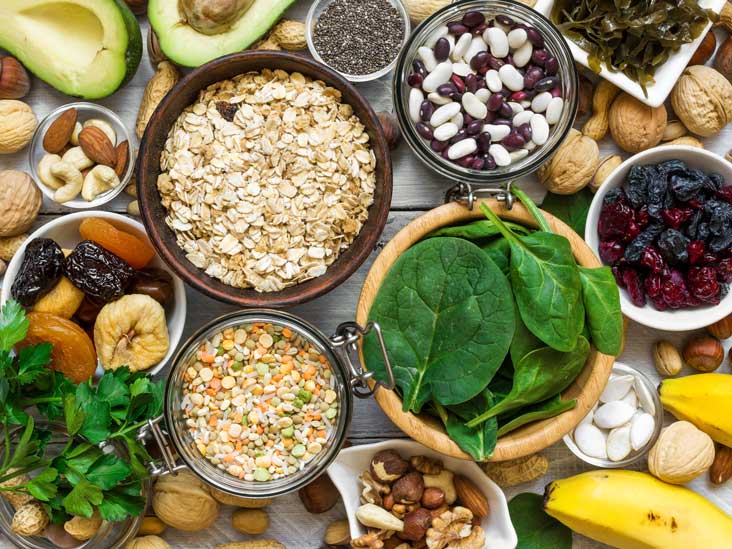
Non-heme iron is not absorbed by the body as well as heme iron. It can be found in plant foods such as beans, grains, spinach, nuts, fruits, and more. It is particularly important for people who follow vegetarian or vegan diets to be mindful of their iron intake. Because these people primarily consume non-heme iron, they must limit their consumption of substances that reduce the amount of non-heme iron that they can absorb. For instance, tannins (found in coffee, tea, chocolate, etc.) and calcium can both impair the absorption of iron.
Cover your daily iron needs with Näak products, order here now!

